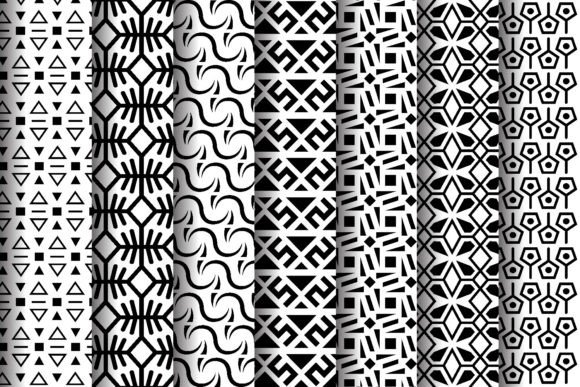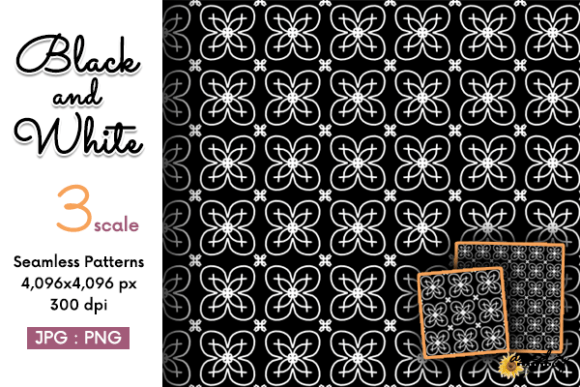
Abstract Black and White Patterns
In a world where visual design plays a critical role in communication, Abstract Black and White Patterns have emerged as a versatile and powerful tool for creators across various industries. These patterns, often composed of geometric shapes, repeating elements, and stark contrasts between black and white, offer a clean aesthetic that resonates with modern audiences. Whether used in digital media, print, or physical textiles, they provide a timeless appeal while adapting to contemporary design needs.
The Appeal of Simplicity
Simplicity has always been a hallmark of effective design. Abstract Black and White Patterns capitalize on this by stripping away unnecessary complexity. The use of only two colors—black and white—creates a striking visual impact without overwhelming the viewer. This minimalism allows the pattern’s structure and rhythm to take center stage, making it ideal for both subtle backgrounds and bold focal points.
Moreover, the absence of color distractions makes these patterns highly adaptable. They can be seamlessly integrated into a wide range of projects, from website layouts to fabric designs, ensuring consistency and coherence in branding and user experience.
Trends and Relevance in Modern Design
As digital experiences become more immersive and visually driven, the demand for high-quality, reusable design assets has grown significantly. Abstract Black and White Patterns fit perfectly into this trend, offering designers a ready-made solution that is both functional and aesthetically pleasing.
One key factor driving their relevance is the increasing focus on user-centric design. Clean, uncluttered visuals help improve readability and engagement, which are essential for websites and mobile interfaces. Additionally, the rise of vector-based graphics has made it easier than ever to scale and customize these patterns without compromising quality.
Vector Geometric Patterns: A Creative Asset
Abstract black and white vector geometric patterns are particularly valuable because they are scalable and editable. Unlike traditional bitmap images, vector files like EPS allow for precise adjustments, making them ideal for both professional and personal projects.
These patterns often feature repeating tileable elements, which means they can be seamlessly extended across large surfaces. This property makes them perfect for use in backgrounds, textures, and even textile printing. For instance, a simple geometric motif can be transformed into a complex mosaic when repeated, creating a sense of depth and movement.
Practical Applications Across Industries
The versatility of Abstract Black and White Patterns extends beyond aesthetics. Here are some practical applications:
- Graphic Design: Used as overlays, borders, or dividers in digital layouts.
- Web Development: Incorporated into website backgrounds or UI elements for a modern look.
- Textiles: Applied to fabric designs for fashion, home décor, or craft projects.
- Print Media: Utilized in book covers, magazine layouts, or packaging designs.
- Branding: Integrated into logos, social media assets, or promotional materials for a cohesive visual identity.
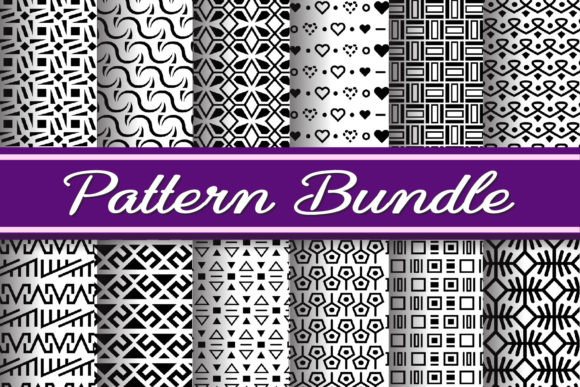
With 12 JPEG and 12 EPS files included, these patterns offer a comprehensive toolkit for designers at any skill level. Whether you're a professional looking to streamline your workflow or a hobbyist exploring new creative avenues, these resources provide a solid foundation for experimentation and innovation.
Designing with Repeating Elements
One of the most important aspects of Abstract Black and White Patterns is the use of repeating elements. When designing such patterns, it's crucial to ensure that the repetition flows naturally without creating visual fatigue. This requires careful planning and attention to detail.
For example, a simple square or circle can be modified with variations in size, spacing, and orientation to create a dynamic yet harmonious composition. By experimenting with different arrangements, designers can develop unique patterns that maintain the essence of minimalism while adding visual interest.
Adapting to Changing Needs
As technology evolves, so too do the ways in which we consume and interact with design. The rise of responsive web design has made scalability a top priority. Vector-based Abstract Black and White Patterns excel in this regard, as they can be resized without losing clarity or definition.
Additionally, the growing popularity of dark mode in digital interfaces has further highlighted the value of these patterns. Their high contrast and clean lines make them an excellent choice for dark-themed designs, enhancing readability and visual hierarchy.
Realistic Examples and Recommendations
To illustrate the potential of Abstract Black and White Patterns, consider the following examples:
- Website Backgrounds: A subtle geometric pattern can add depth to a website’s background without distracting from the content.
- Book Covers: A bold, repeating pattern can serve as a strong visual anchor for a book cover, especially in genres like art, design, or philosophy.
- Fabric Designs: A simple black and white tessellation can be used to create elegant, timeless textiles that appeal to a broad audience.
- Social Media Assets: These patterns can be adapted for Instagram stories, Twitter headers, or Facebook banners, helping to maintain a consistent brand presence.
When working with these patterns, it's recommended to experiment with layering, transparency, and placement to achieve the desired effect. Always consider the context in which the pattern will be used and how it interacts with other design elements.
Conclusion
Abstract Black and White Patterns represent a powerful intersection of simplicity, functionality, and creativity. Their ability to adapt to a wide range of design needs makes them an invaluable resource for professionals and enthusiasts alike. As trends continue to favor minimalism and versatility, these patterns will remain a relevant and sought-after asset in the ever-evolving world of design.