Abstract Vector Black and White Patterns: A Versatile Design Tool
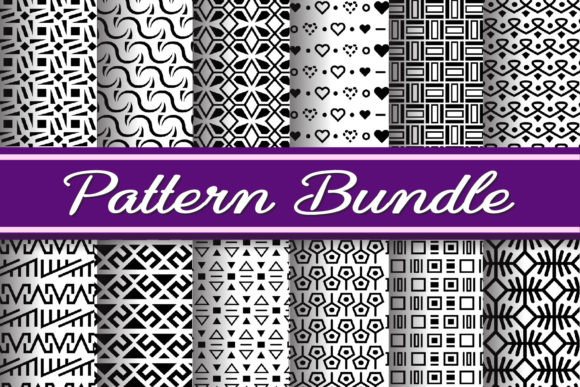
Abstract vector black and white patterns have become a staple in the world of graphic design. These patterns are characterized by their use of geometric shapes arranged in a seamless, tileable format. Unlike traditional designs that rely on color gradients or complex imagery, abstract vector black and white patterns offer a minimalist yet powerful visual language. Their simplicity allows for versatility in application, making them suitable for a wide range of creative projects.
The Structure and Composition of Abstract Vector Black and White Patterns
At their core, abstract vector black and white patterns are built using vector graphics software such as Adobe Illustrator or Inkscape. This means they are composed of mathematical points, lines, and curves rather than pixels, allowing for infinite scalability without loss of quality. The use of only two colors—black and white—creates a stark contrast that enhances the visual impact of the design.
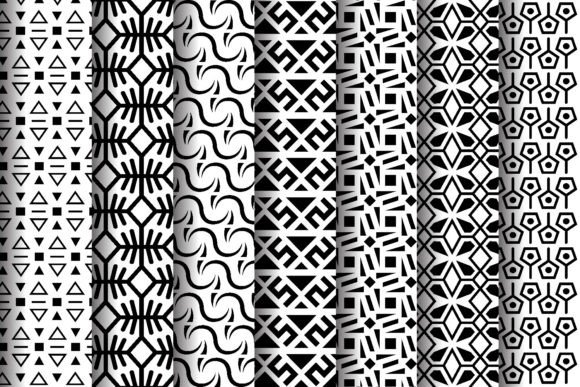
The geometric shapes used in these patterns can vary widely. Common elements include triangles, circles, squares, and more intricate forms like hexagons or overlapping polygons. The arrangement of these shapes is often repetitive, creating a seamless tiling effect that makes them ideal for backgrounds, textiles, and digital assets.
One of the key advantages of these patterns is their adaptability. Because they are created in vector format, they can be easily modified, resized, or reconfigured to suit different design needs. This flexibility makes them a popular choice among designers looking for both aesthetic appeal and functional utility.
How Abstract Vector Black and White Patterns Compare with Similar Options
While abstract vector black and white patterns are unique in their approach, they share similarities with other design formats. For instance, they are often compared to traditional print patterns, which may use color and more detailed imagery. However, the absence of color in vector black and white patterns offers a cleaner, more modern look that is particularly effective in digital environments.
Another comparison point is with raster-based patterns, such as those created in Photoshop. Raster images are resolution-dependent, meaning they can lose quality when scaled up. In contrast, vector patterns maintain clarity at any size, making them more reliable for large-scale applications like branding or packaging.
Additionally, abstract vector black and white patterns differ from hand-drawn or organic patterns. While the latter may offer a more natural, textured feel, vector patterns provide precision and consistency. This makes them especially useful for projects where uniformity is essential, such as website backgrounds or product packaging.
Strengths and Limitations of Abstract Vector Black and White Patterns
One of the primary strengths of abstract vector black and white patterns is their scalability. Whether used in a small logo or a large banner, these patterns retain their sharpness and detail. This is particularly valuable in the digital age, where content must be adaptable across multiple platforms and screen sizes.
They also offer a high degree of customization. Designers can experiment with different shapes, arrangements, and densities to create unique visual effects. This level of control allows for personalization that is difficult to achieve with pre-made templates.
However, there are limitations to consider. The minimalistic nature of these patterns may not be suitable for all design contexts. For example, they might lack the vibrancy or complexity required for certain artistic or branding applications. Additionally, while they are highly versatile, they may require more time and technical skill to create compared to simpler design tools.
When to Choose Abstract Vector Black and White Patterns
Abstract vector black and white patterns are an excellent choice for designers seeking a clean, modern aesthetic that can be applied across various mediums. They are particularly well-suited for:
- Web Design: As background elements or decorative accents, these patterns add visual interest without overwhelming the user experience.
- Print Media: From stationery to packaging, their scalability ensures consistent quality regardless of the print size.
- Textile Applications: Used in fabric prints, they provide a timeless and elegant look that is easy to reproduce.
- Branding: Their simplicity makes them ideal for logos, icons, and other brand elements that need to remain recognizable across different formats.
In situations where a design requires a strong visual identity but limited color palette, abstract vector black and white patterns offer a compelling solution. They allow for creativity without sacrificing clarity or functionality.
Alternatives and Considerations
While abstract vector black and white patterns are versatile, they are not the only option available. Designers may explore alternatives such as:
- Colorful Vector Patterns: These incorporate a wider range of hues and can be more visually dynamic, though they may be less scalable.
- Hand-Drawn Patterns: Offering a more organic feel, these are ideal for projects that prioritize texture and warmth over precision.
- Raster-Based Patterns: Useful for photorealistic designs, but less flexible when it comes to resizing or modifying.
Each alternative has its own set of benefits and drawbacks. The decision ultimately depends on the project's goals, the designer's preferences, and the intended use case.
Practical Examples and Use Cases
To better understand the potential of abstract vector black and white patterns, consider the following examples:
- Website Backgrounds: A subtle geometric pattern can enhance the visual appeal of a website while maintaining a professional tone.
- Product Packaging: A simple, repeating pattern can make a product stand out on store shelves without being distracting.
- Graphic T-Shirts: These patterns can be printed onto fabric, offering a stylish and modern look for fashion items.
- Interior Design: Used in wallpaper or wall art, they can add a contemporary touch to any space.
These examples illustrate how abstract vector black and white patterns can be integrated into diverse design scenarios, proving their value across multiple industries.
Conclusion and Decision Factors
Choosing the right design format involves evaluating several factors, including the project's purpose, target audience, and desired outcome. Abstract vector black and white patterns offer a unique combination of simplicity, scalability, and adaptability that makes them a strong contender in many design contexts.
For designers who value precision, consistency, and modern aesthetics, these patterns can be an excellent choice. However, it's important to consider whether the design's requirements align with their characteristics. If a more vibrant or textured look is needed, exploring alternative options may be necessary.
Ultimately, the key to success lies in understanding the strengths and limitations of abstract vector black and white patterns and making an informed decision based on the specific needs of the project. With careful planning and thoughtful execution, these patterns can elevate any design to new heights.